Mould and damp from a hidden leak: health risks and warning signs
By Janice · Updated 2026-08-20
This is general health information, not medical advice. If you or someone in your household has ongoing respiratory symptoms that may be linked to damp or mould, speak to a healthcare professional.
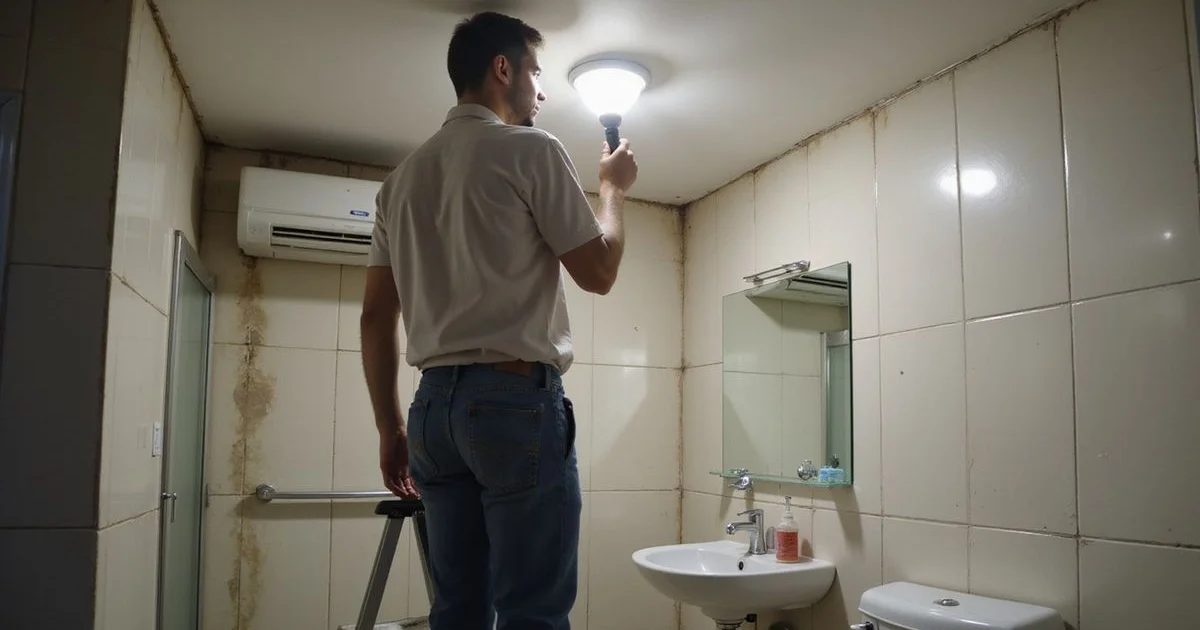
A leak you cannot see is often more of a problem than one you can, because a slow drip behind a wall or under a floor can go undetected for weeks while it creates exactly the damp, warm conditions mould needs to take hold. In Klang Valley’s humid climate, that process moves faster than most people expect.
Why hidden leaks lead to mould so easily
Mould needs three things: moisture, a food source (which includes wood, drywall, and even dust), and time. A hidden plumbing leak, whether from a pipe inside a wall, a fitting under a sink, or a slow leak from an upstairs unit, provides sustained moisture in an enclosed space with limited airflow, which is close to ideal conditions for mould growth. In a hot, humid climate like Klang Valley’s, visible mould can appear within one to two days of a surface staying consistently damp.
Early warning signs
- A persistent musty smell that does not clear with normal ventilation or cleaning, especially localised to one area of the home.
- Discolouration on walls or ceilings, particularly a yellowish or brownish stain that slowly spreads or darkens over time.
- Peeling paint or bubbling on a wall, which often means moisture is trapped underneath.
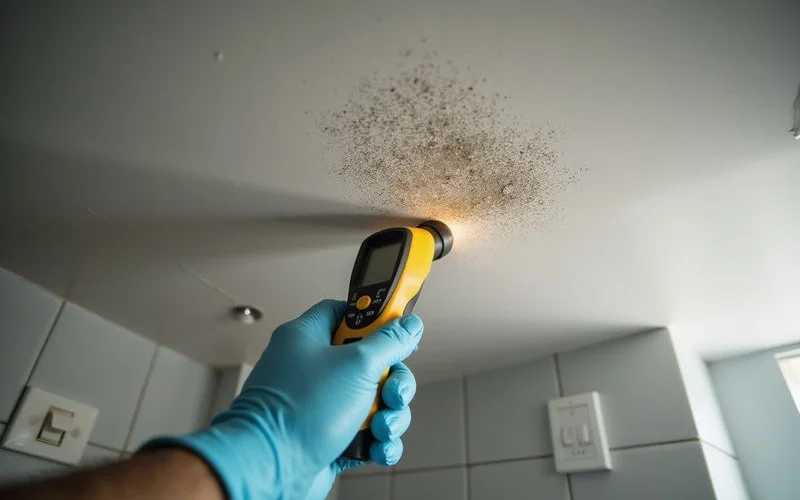
- Visible mould spots, usually black, green, or grey, appearing on walls, ceiling corners, or around bathroom fittings.
- Unexplained increase in your water bill, which can indicate a leak even before any visible damage shows up.
Any one of these on its own might be minor, but two or more appearing together, especially near a bathroom, kitchen, or a wall shared with a neighbouring unit, is worth investigating.
Health risks worth knowing
For most healthy adults, brief or minor exposure to mould is not a serious concern. Ongoing exposure, particularly to a larger or long-standing patch, can cause respiratory irritation, coughing, and allergic reactions such as a runny nose or itchy eyes. It can also aggravate existing conditions like asthma. Children, the elderly, and anyone with a compromised respiratory system are generally more sensitive to prolonged exposure, which is part of why addressing the underlying leak matters, not just cleaning the visible mould. Damp, poorly maintained storage is a related concern worth ruling out too: the guide to water tank hygiene covers what happens when moisture and sediment build up inside a tank rather than behind a wall.
Fixing the source, not just the symptom
Cleaning visible mould off a surface without finding and fixing the leak behind it is a temporary measure at best, since the moisture that caused it is still there. This is where a plumber’s diagnostic work matters: tracing the actual source of the moisture, whether that is a failed pipe joint, a cracked waterproofing membrane, or a leak from a neighbouring unit, and fixing it, is what stops the mould from coming back.
What to do if you suspect a hidden leak
| Sign | Suggested action |
|---|---|
| Musty smell, no visible cause | Check under sinks, behind large furniture, near bathroom walls |
| Stain that is spreading or darkening | Get a plumber to trace the source before repainting |
| Small isolated mould patch | Clean carefully, monitor for return |
| Recurring mould in the same spot | Have the underlying leak diagnosed and fixed |
| Rising water bill with no clear reason | Check for a hidden leak |
If you suspect a hidden leak is behind recurring damp or mould, browse plumbers in Klang Valley who can trace the source, ranked using this directory’s published methodology based on recent customer feedback.
A damp patch or a faint musty smell rarely feels urgent on its own, which is exactly why it gets ignored until the mould becomes visible. Catching it early, at the smell-and-stain stage rather than the visible-mould stage, is both cheaper to fix and better for anyone living in the space.
Questions people ask
- How do I know if a musty smell means mould from a hidden leak?
- A persistent musty smell that does not go away with normal cleaning and ventilation, especially concentrated in one area like near a bathroom wall or under a sink, is a common sign of hidden moisture. It is worth investigating the source rather than masking the smell.
- Is mould from a plumbing leak dangerous?
- For most healthy people, brief exposure to a small patch of mould is unlikely to cause serious harm, but ongoing exposure can trigger respiratory irritation, allergic reactions, or worsen asthma, particularly in children, the elderly, or anyone with existing respiratory conditions. Larger or long-standing mould growth should be addressed rather than left.
- Can I just clean visible mould myself, or do I need a professional?
- A small, isolated patch on a hard surface can often be cleaned safely with basic precautions. Mould that keeps returning, covers a large area, or is linked to a leak inside a wall usually means the underlying moisture source needs fixing first, which is a job for a plumber rather than just a cleaning product.
- How quickly does mould grow after a leak starts?
- In Malaysia's humid climate, visible mould growth can start within 24 to 48 hours of a surface staying consistently damp, which is one reason a slow, hidden leak often causes mould before anyone notices the water itself.