Water tank hygiene: is your tap water safe, and how often should it be cleaned
By Janice · Updated 2026-08-14
This is general information, not medical advice on water safety; if you have specific health concerns about your water supply, speak to a qualified professional or your local water authority.
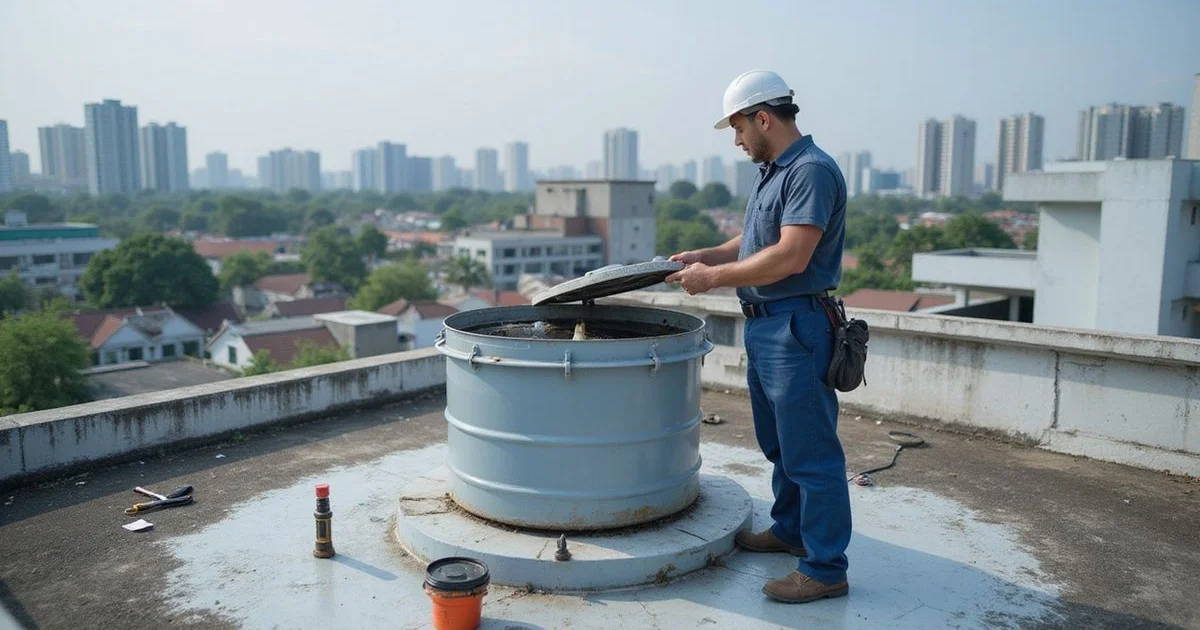
Most homes in Klang Valley rely on a rooftop or ground-level water tank to store mains water before it reaches your taps, and that tank is where a lot of water quality problems actually start. Understanding what affects tank hygiene helps you tell a harmless one-off from a genuine issue worth fixing.
Why the tank matters more than the mains supply
Treated water leaving the mains is generally clean, but it sits in your building’s storage tank before it reaches your tap, sometimes for hours or days depending on usage. During that time, sediment can settle, insects or dust can get in through a poorly sealed lid, and in warmer, sunlit conditions algae can start to grow on the inside walls. None of this is unusual, but it is also why two homes on the same street can have noticeably different tap water quality depending on how well-maintained their tank is.
Common signs something is off
- Discoloured water, especially a rusty brown or yellow tint, often right after the tap has not been used for a while.
- A musty or metallic smell, which can point to sediment, algae, or corrosion inside the tank or pipework.
- Visible particles in a glass of water left to settle for a few minutes.
- Reduced pressure alongside discolouration, which can mean sediment is partially blocking the outlet.
- Algae visible through the tank wall, on tanks made from translucent or semi-translucent material.
A one-off cloudy glass after work on the mains line nearby is usually harmless. A pattern that keeps recurring is worth investigating. Damp conditions are not limited to the tank itself: the guide to mould and damp health risks from hidden leaks covers what to watch for elsewhere in the home.
How often to clean the tank
| Situation | Suggested cleaning frequency |
|---|---|
| Standard household tank, no issues reported | Once or twice a year |
| Tank exposed to direct sunlight or heat | More frequent, closer to twice a year |
| Older building or ageing tank material | More frequent, plus a condition check |
| Recurring discolouration or odour complaints | Immediate inspection, not just a routine clean |
These are general starting points, not fixed rules. A specialist inspecting your specific tank, its material, age, and location will give a more accurate recommendation than a blanket schedule.
What a proper cleaning involves
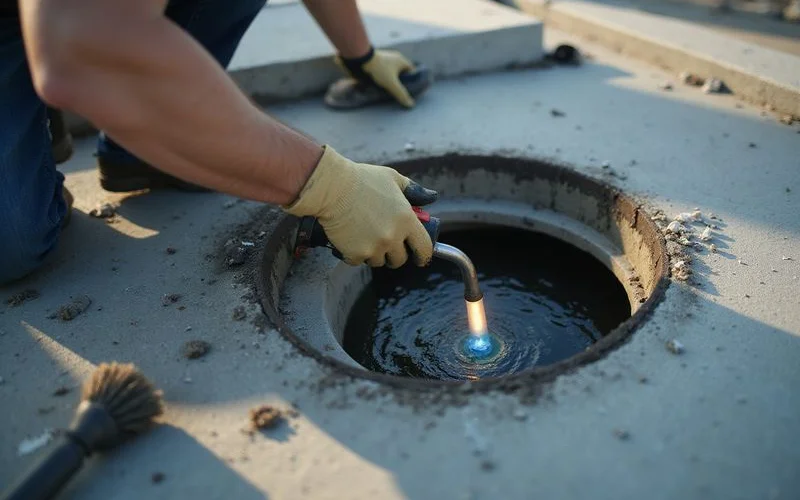
A thorough tank clean typically includes draining the tank, scrubbing the interior walls to remove sediment and any algae growth, flushing the outlet pipework, and checking the lid seal and any vents for damage that lets in dust or insects. It is also a reasonable time to check the float valve, which controls the water level and is a common point of failure in older tanks.
When to call a specialist rather than DIY it
Cleaning a small, easily accessible tank yourself with basic care is possible for some households, but a rooftop tank, one that is hard to access safely, or one showing signs of structural wear is a job for a specialist with the right equipment. Attempting to climb onto a roof or work with an unstable ladder to reach a tank is not worth the risk.
If your tank or pump setup needs attention, you can compare water tank and pump specialists in Klang Valley and see how they are rated on response time and workmanship by recent customers, using this directory’s published ranking method, rather than relying on a single review.
Tank hygiene is one of those maintenance items that is easy to ignore until the water itself gives you a reason to notice. A rough annual check, and a closer look the moment you see a recurring change in colour, smell, or pressure, catches most problems well before they become a bigger repair. Visit the homepage to compare more providers.
Questions people ask
- Why does my tap water sometimes look yellow or brown?
- This is usually sediment, rust from ageing pipework, or a build-up of debris in the water tank being disturbed, rather than a problem with the mains supply itself. It is worth checking the tank if the discolouration is a recurring pattern rather than a one-off.
- How often should a household water tank be cleaned?
- As a general guide, once or twice a year is reasonable for most households, though a tank exposed to more dust, insects, or sunlight may need it more often. A pump or plumbing specialist can inspect and confirm what your specific tank needs.
- Is it safe to drink tap water in Klang Valley without filtering it?
- Treated mains water in Malaysia is generally safe by the time it leaves the treatment plant, but water quality by the time it reaches your tap depends heavily on the condition of your building's pipework and storage tank. Many households filter or boil water as an extra precaution, particularly in older buildings.
- What are the signs my water tank needs attention?
- Persistent odour, visible sediment when you first run the tap after it has sat unused, a noticeable change in water pressure, or algae growth visible through a translucent tank are all signs worth acting on.