Water heater safety: scalding, wiring and gas hazards to know about
By Janice · Updated 2026-08-17
This is general safety information, not a substitute for a qualified professional’s inspection of your specific water heater installation.
A water heater is one of the few appliances in a home that combines water, electricity or gas, and heat in one unit, which is exactly why a handful of safety basics are worth knowing, whether you are troubleshooting an existing unit or planning a new installation. If you’re weighing whether a repair or a new unit makes more sense, the water heater installation and repair cost guide breaks down what each option typically costs in Klang Valley.
Scalding risk
The most common water heater hazard is not dramatic: it is simply water set hotter than necessary. Many households run their heater warmer than needed out of habit, which raises the risk of scalding, particularly for young children and elderly residents who may not react as quickly to sudden heat. A moderate temperature setting is usually enough for comfortable use and reduces this risk without any real downside.
Electrical hazards
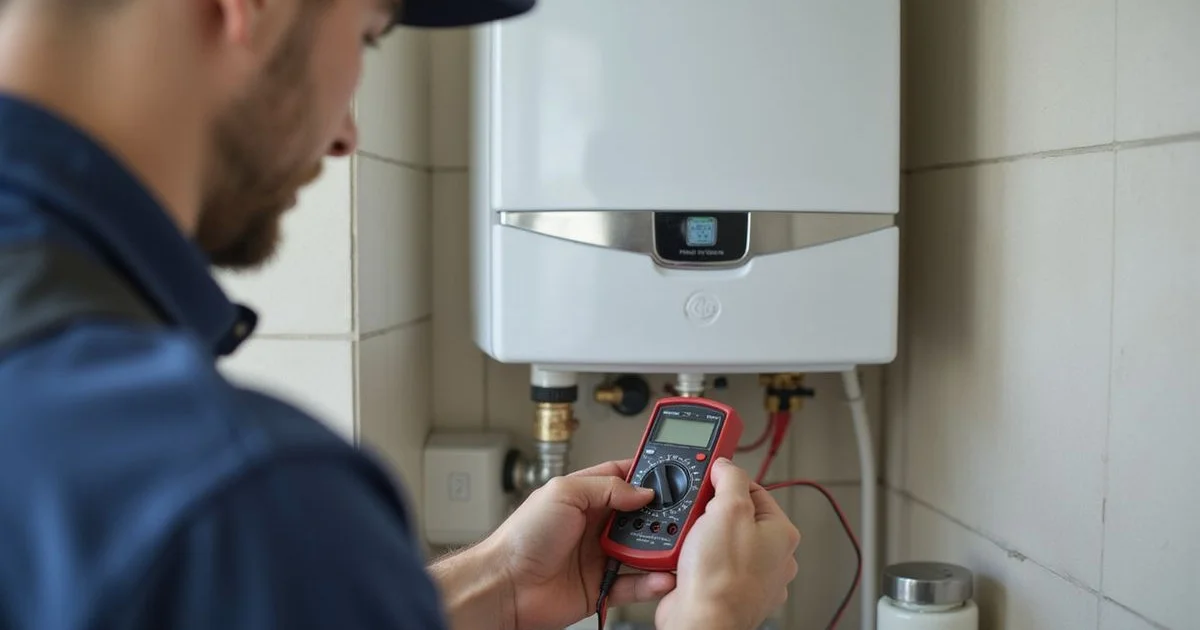
Electric water heaters, especially instant units, draw a significant amount of power, which makes correct wiring important. Warning signs of a wiring problem include a circuit breaker that trips when the heater runs, a burning smell near the unit, visible scorch marks around the casing or plug point, or the outer casing feeling warm when it should not be. None of these should be ignored or worked around; the unit should be switched off and checked by a professional.
Water and electricity in close proximity is also why any water heater repair or installation near wiring should be handled by someone qualified, rather than attempted as a DIY fix.
Gas hazards
Gas water heaters carry a different profile of risk, centred on ventilation and gas leaks rather than electrical faults. A correctly installed gas heater in a well-ventilated space, checked periodically, is safe to use. The risks arise from poor initial installation, blocked or inadequate ventilation, or a lack of routine checks over time. A gas smell near the unit, a pilot light that will not stay lit, or soot marks around the heater are all signs to stop using it and call a professional immediately.
The role of the pressure relief valve
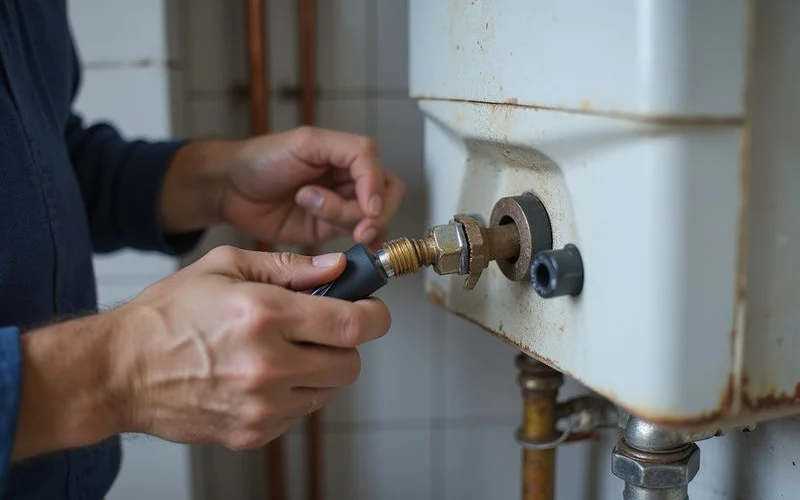
Storage tank water heaters include a temperature and pressure relief valve, a safety device that releases pressure automatically if the tank overheats or the pressure builds beyond a safe level. This valve should occasionally be tested, and if it is dripping, leaking continuously, or has never been checked since installation, it is worth having a plumber inspect it rather than assuming it is fine.
Quick reference: signs to act on
| Warning sign | Likely issue | Action |
|---|---|---|
| Breaker trips when heater runs | Electrical fault | Switch off, call a professional |
| Burning smell or scorch marks | Wiring or overheating | Switch off, call a professional |
| Gas smell near the unit | Gas leak | Ventilate, do not switch anything on, call a professional |
| Continuous dripping from the relief valve | Pressure or valve fault | Have it inspected soon |
| Water noticeably hotter than usual | Thermostat fault | Lower setting, have it checked |
When to have the unit inspected
A water heater that is working normally does not need constant attention, but an annual check, particularly for storage tank and gas units, catches most of these issues before they become dangerous or expensive. If you notice any of the warning signs above, it is worth acting on promptly rather than waiting.
To find a specialist for installation, repair, or a safety check, water heater installation and repair providers in Klang Valley are ranked in this directory using recent customer feedback on workmanship and reliability, based on a published scoring method.
Most water heater problems announce themselves before they become serious, through a smell, a sound, or a change in how the unit behaves. Knowing what those signs mean is the difference between a quick fix and a genuine hazard. Browse the homepage to compare more plumbers by category.
Questions people ask
- What temperature should a water heater be set to, to avoid scalding?
- Many households set instant electric heaters warmer than necessary out of habit. A moderate setting is usually enough for comfortable showering, and lowering it slightly is a simple way to reduce scalding risk, particularly in homes with children or elderly residents.
- How do I know if my water heater has a wiring problem?
- Warning signs include a tripping circuit breaker when the heater is used, a burning smell near the unit, visible scorch marks, or a heater that feels warm to the touch on the outside casing. Any of these warrant turning the unit off and calling a professional.
- Are gas water heaters more dangerous than electric ones?
- Gas heaters carry a different set of risks, mainly around ventilation and gas leaks, rather than being inherently more dangerous. A correctly installed and maintained gas heater with adequate ventilation is safe; the risk comes from poor installation or lack of maintenance.
- What is a TPR valve and why does it matter?
- It is a safety device fitted to storage water heaters that releases pressure if the tank overheats or over-pressurises, preventing a dangerous build-up. If yours is leaking, dripping, or has never been tested, it is worth having a plumber check it.