What to expect when you book a general plumbing repair, step by step
By Janice · Updated 2026-07-27
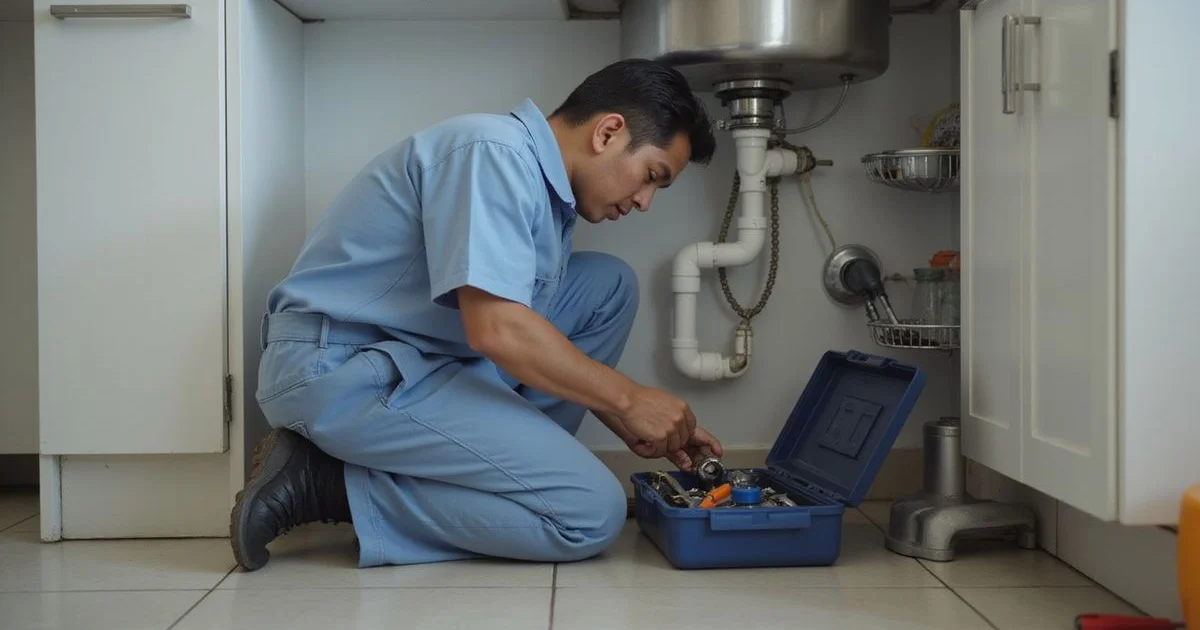
Booking a plumber for the first time can feel like a black box: you know something is wrong, but not what the visit itself involves. Here is what a normal general plumbing repair looks like from start to finish, so you know what is reasonable to expect.
Before the visit
Most bookings start with a short call or message describing the problem: what is leaking, dripping, or not working, and how long it has been happening. A good plumber asks a few clarifying questions here, sometimes asks for a photo, and gives you a rough time window and an estimated price range based on what you describe. This estimate is provisional; the final price is confirmed once they see the problem in person. None of this replaces doing your homework on who you call in the first place: the guide to choosing a reliable plumber covers the red flags worth checking before you dial the first number you find.
On arrival
The plumber inspects the issue before touching anything. For a leak, that means tracing where the water is actually coming from, which is not always where it appears. For a drain, it usually means checking how far the blockage extends. Once they understand the problem, they explain it in plain terms and give you a firm price before starting work. This is the moment to ask questions if anything is unclear.
During the repair
For straightforward jobs like replacing a tap, a float valve, or a section of pipe, the work itself often takes well under an hour. More involved repairs, particularly ones that need parts the plumber does not carry on the van, may require a follow-up visit. If the scope changes partway through, for example if opening up a fitting reveals more corrosion than expected, a trustworthy plumber pauses to explain the new price rather than continuing and surprising you at the end.
It also helps to ask what happens to the old parts once they are removed. A plumber who shows you the failed part, rather than simply disposing of it, gives you a chance to see the actual cause of the problem rather than taking the diagnosis on faith.
After the repair
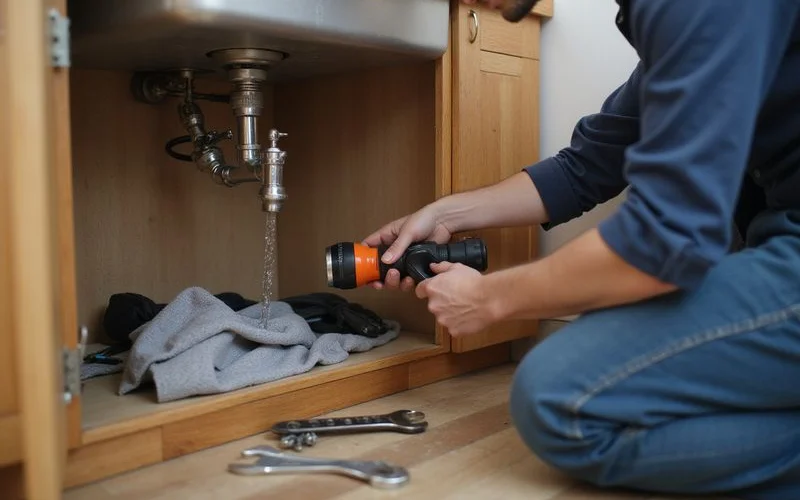
A finished job should include a quick test in front of you: running the tap, flushing the toilet, or checking the drain to confirm the fix holds. Ask whether the repair carries any warranty period, and get a receipt or invoice that itemises labour and parts separately. This matters if the same problem recurs and you need to follow up.
A typical visit at a glance
| Stage | What happens | Roughly how long |
|---|---|---|
| Initial call | Describe the problem, get a rough estimate | 5-10 minutes |
| Inspection | Plumber diagnoses the issue on site | 10-20 minutes |
| Firm quote | Price confirmed before work starts | A few minutes |
| Repair | Actual fix carried out | 30 minutes - 2 hours |
| Final check | Test the fix, confirm warranty, invoice | 5-10 minutes |
What separates a good visit from a frustrating one
The feedback pattern across plumbers in this directory is consistent: skilled workmanship and clean, tidy work show up repeatedly in positive reviews, while unfinished repairs and vague communication about scope changes show up repeatedly in complaints. A plumber who explains what they are doing at each stage, rather than working silently and presenting a bill at the end, is far more likely to leave you satisfied with the result.
If you want to see how plumbers doing general repair work in the area compare on exactly these points, general plumbing and repair providers in Klang Valley are ranked using recent customer feedback rather than a single star rating. You can also check how that ranking works before relying on any list of top providers.
Knowing the shape of a normal visit makes it much easier to spot when something is off, whether that is a plumber skipping the inspection step or refusing to give a firm price before starting work. You can start comparing providers from the homepage.
Questions people ask
- How long does a typical plumbing repair visit take?
- A simple fix like a tap or float valve replacement often takes 30 to 60 minutes. Anything involving hidden pipework, a stubborn blockage, or a part that has to be sourced can take longer or need a second visit.
- Do I need to be home for the whole visit?
- For most repairs, yes, since the plumber usually needs to show you the problem and confirm the price before proceeding. Some providers can work with a trusted key holder for straightforward jobs, but confirm that in advance.
- What should I check before the plumber leaves?
- Ask them to run the fixed tap, drain, or fitting in front of you, check for any drips at the joints, and confirm whether there is a warranty period on the repair before they pack up.
- Will the plumber clean up after the job?
- A professional plumber should leave the work area as clean as they found it, clearing away old parts and any mess from the repair. Tidy work is one of the most consistently mentioned positives in customer feedback.